PVC Door Panel Mould Technical Introduction
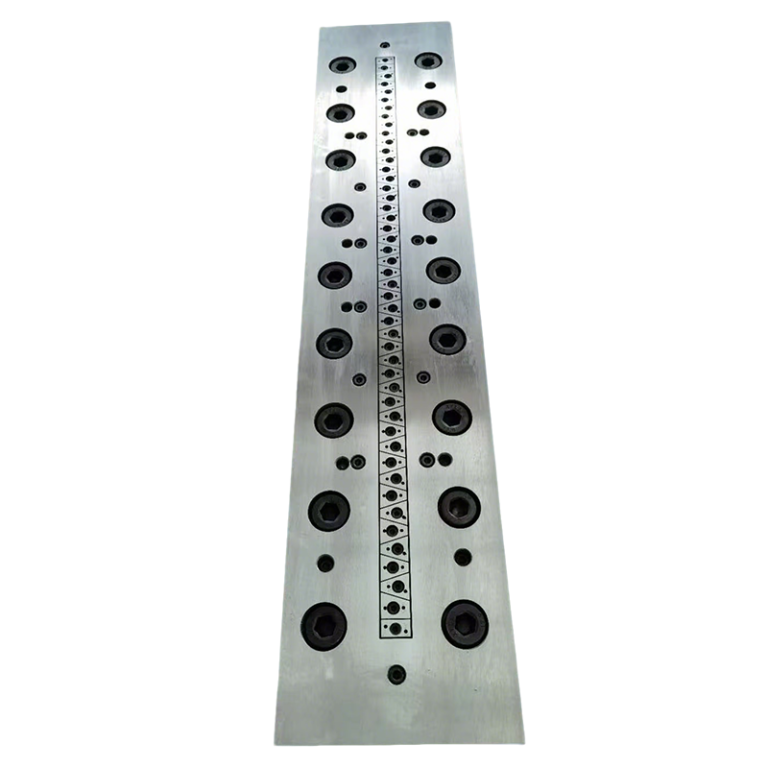
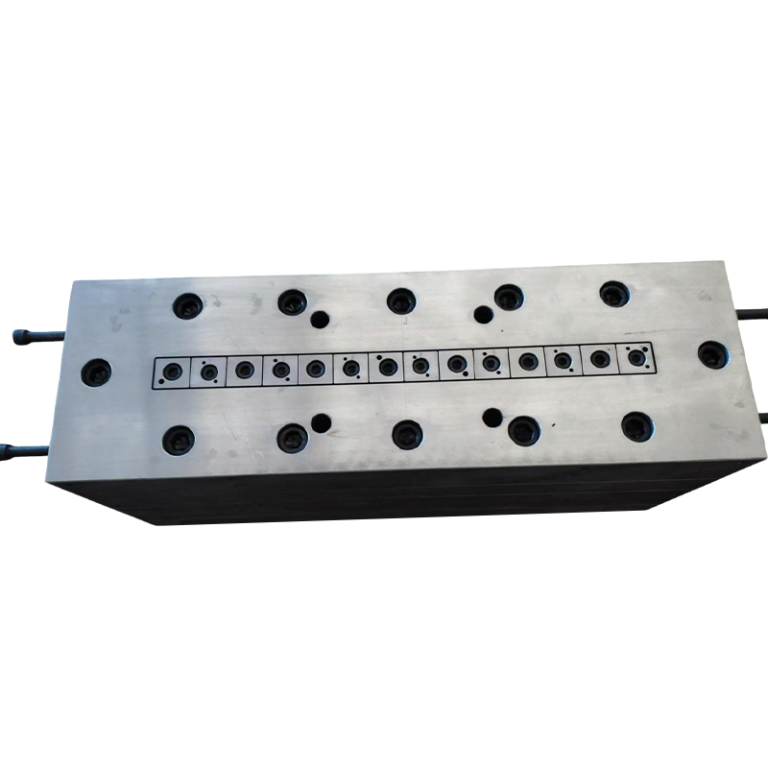
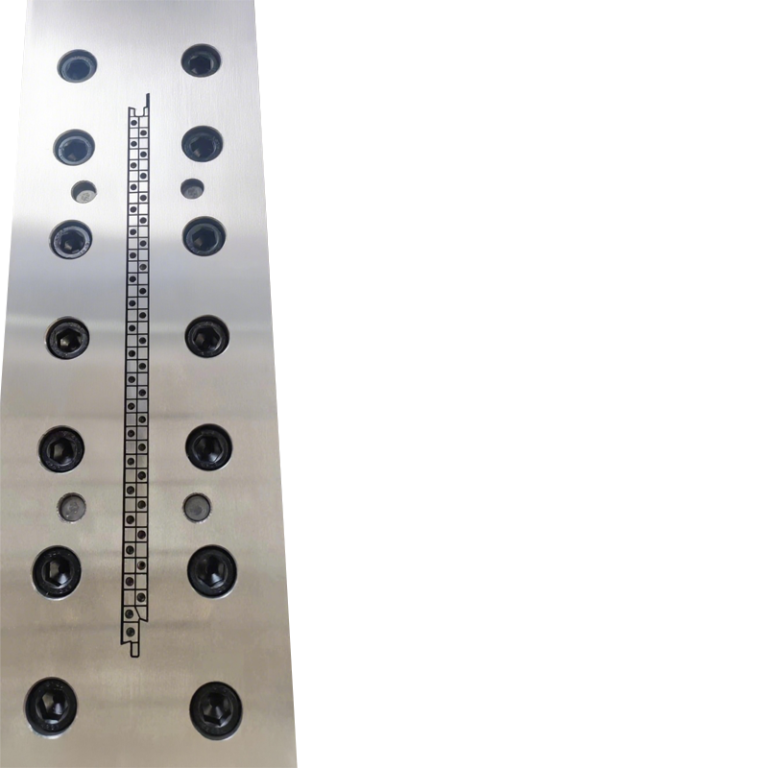
1.The PVC Door Panel Mould is the core molding tooling for the mass production of PVC plastic decorative door panels, widely used in interior decoration, architectural decoration, and the production of complete door panel profiles. With its mature flow channel structure design, stable extrusion molding effect, and strong adaptability, the PVC door panel mold can produce plastic door panel profiles with uniform wall thickness, stable structure, high flatness, and a wide variety of styles. It is a key core piece of equipment in modern energy-saving and environmentally friendly home decoration profile production lines. The following systematically introduces the key technical aspects of the PVC Door Panel Mould, including specifications, structural features, surface treatment, supporting equipment, common production problems, and solutions.
2.Regarding standard specifications, our factory’s PVC Door Panel Mould cover a full range of commonly used widths, including mainstream models such as 500mm, 600mm, 700mm, 800mm, 1000mm, 1100mm, and 1200mm. All standard door panel profiles use a uniform 35mm fixed height and a standard outer wall thickness of 2.0mm. This design ensures overall rigidity, flatness, and resistance to deformation while controlling product weight and raw material costs. For the internal rib structure design, the mold comes standard with three mature structural styles: vertical rib structure, herringbone rib structure, and V-rib structure. Different internal rib layouts can adapt to different production requirements for strength, toughness, and flatness, effectively improving the overall support of the door panel and preventing later bending, denting, and deformation, while balancing product aesthetics and structural stability.
3.Regarding the surface treatment process, PVC Door Panel Mould are compatible with three mainstream high-end finishing processes to meet the decorative needs and weather resistance requirements of different markets. The first is the ASA co-extrusion process, which uses ASA material for the entire surface layer to co-extrude, giving the door panel excellent anti-aging, anti-yellowing, and scratch resistance. It is not easy to fade over long-term use and is suitable for various long-term interior decoration scenarios. The second method is surface coating, which can replicate various textures such as wood grain, stone grain, and solid colors, offering realistic textures, strong decorative appeal, and high cost-effectiveness. The third method is heat transfer printing, producing clear patterns, strong adhesion, and a rich variety of colors, enabling personalized high-end customization and meeting the needs of mid-to-high-end home decoration and project orders.
4.Regarding equipment compatibility, PVC Door Panel Mould offers standardized machine matching solutions to ensure stable extrusion, uniform plasticization, and precise molding. Small and medium-sized door panel molds with a width of less than 700mm are compatible with a 65/132 main extruder; large door panel molds of 700mm and above require an 80/156 main extruder to ensure sufficient discharge pressure and stable molding. Co-extrusion equipment is also matched according to requirements: molds below 700mm are compatible with a 45/25 single-screw co-extruder, and molds above 700mm are compatible with a 50/25 single-screw co-extruder, ensuring uniform thickness and tight adhesion of the surface co-extruded layer, without delamination or color differences.
5.In actual production, the most common quality problems of PVC Door Panel Mould are panel warping and surface shrinkage marks. Panel warping is mostly caused by insufficient length of the forming table, inadequate cooling of the profile, and excessive production speed. Targeted solutions include appropriately reducing the extrusion speed to allow the profile to cool and solidify fully, or lengthening the forming and calibration equipment to improve cooling efficiency and completely resolve the warping issue.
6.Surface shrinkage marks are a frequent problem in door panel production, often caused by the inner ribs lagging behind the panel surface and uneven material flow in the runner. This can be addressed through four mature solutions: First, professionally adjust the inner rib runner of the PVC Door Panel Mould to increase the inner rib output, balance the overall output speed, and eliminate shrinkage marks. Our factory can provide remote video technical guidance. Second, optimize the fusion section between the inner ribs and the panel surface exit by shortening the fusion transition section through welding, improving surface depressions. Third, match reasonable production parameters. The mold exit gap should be standardly adapted to a 2.2mm finished product thickness. High-speed forced production of thin-gauge products is prohibited. This can be addressed by reducing the speed to match the standard thickness or by locally welding stainless steel sheets at the die head exit to optimize material flow. Fourth, we optimize the raw material formula and appropriately increase the amount of internal lubricant to improve the overall plasticizing speed and address the issue of slow internal rib discharge, resulting in a smoother and more even panel surface.
7.Our factory boasts 27 years of experience in extrusion die R&D and manufacturing. Our core engineers possess 26 years of practical industry experience and are familiar with the production pain points and troubleshooting solutions for various PVC Door Panel Mould profiles. Whether it’s routine production failures, mold optimization, template upgrades, or equipment compatibility issues, AONA TOOLING can provide professional and efficient technical support to help customers achieve stable mass production of high-quality PVC door panel profiles.